Range Lines and Front Lines: 250 Years of Ordinary People Standing Tall
Posted by Chad Pollitt on Jun 19th 2026
“Range Lines and Front Lines: 250 Years of Ordinary People Standing Tall” is, at its core, a story about quiet professionals—citizens, competitors, deputies, SWAT officers, and veterans—who choose discipline over noise so the rest of the country can live, grill, and celebrate in peace. It is the link between the man or woman on the firing line, calmly pressing through the trigger, and the first responder on the street, calmly answering the call no one else wants to take.
The calm behind the celebration
On the surface, America’s 250th birthday will look like fireworks, parades, cookouts, and kids running around with sparklers.
The part you do not see in that picture is the patrol car rolling quietly through the neighborhood, the SWAT officer training through the weekend, or the veteran who still can’t stand the sound of a backfiring engine but shows up at the range to mentor the next generation anyway.
Their steadiness is the reason everyone else gets to relax.
The firing line is the same way.
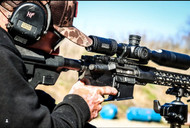
From a distance, it’s just silhouettes and steel.
Get closer, and you see what’s really happening: breath control, sight alignment, trigger press, and a level of focus that pushes everything else to the edges of the frame.
The rifle is just the tool; the work is all happening behind the eyes.
Range lines: discipline in public
On the range, accountability is immediate.
Targets do not lie, and excuses do not move the bullet.
Every hit and every miss is written in black and white, and the only way forward is more work, more reps, more humility.
On the range: what discipline looks like:
- Controlled breathing and a deliberate trigger press, not rushing the shot.
- Calling every impact, even the bad ones, and owning the result.
- Checking gear, torque, and zero before the match instead of blaming them after.
- Treating every relay like a lesson, not just a scoreline.
- Coaching the shooter next to you when they ask, even if they are your competition.
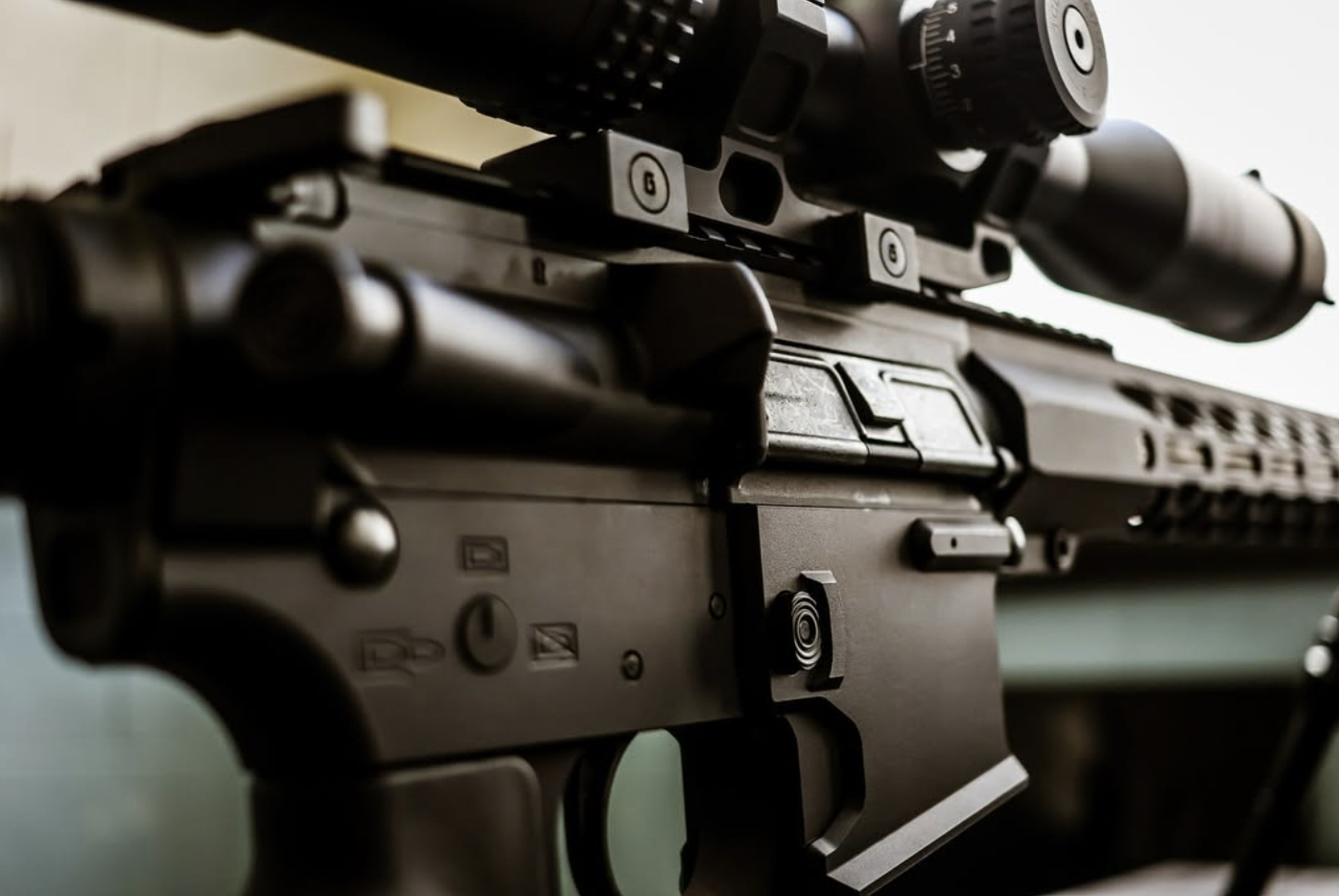
That’s why ACME Rifles has built its AM‑15 and AM‑10 platforms to be sub‑MOA capable tools for real shooters—rifles that will absolutely tell the truth about your fundamentals.
At mid‑range and long‑range matches, ACME‑backed shooters and teams have proven what happens when that discipline meets the right equipment, from AR‑Tactical national titles to junior teams that step onto the line and punch far above their age and experience.
The range becomes more than a place to burn ammo; it becomes a classroom where veterans, law enforcement officers, and teenagers share the same wind calls, the same firing points, and the same standard.
Everyone stands shoulder to shoulder, and everyone is accountable to the shot.
Front lines: steadiness in the shadows
The front line works under a different kind of timer. There is no relay sheet, no string of fire, no shooter rotation.
Calls come when they come, whether it’s the middle of the night, a crowded county fair, or the quiet stretch of highway that most of us only ever see through a windshield.
On the front line: unseen steadiness
- Answering the call at 03:00 so someone else can sleep through the night.
- Sitting through another briefing so the team is squared away on one small detail.
- Running the same building-clearing or medical scenario for the twentieth time.
- Carrying gear that is heavier than it needs to be because cutting corners is not an option.
- Coming home from a shift and still showing up as a parent, spouse, neighbor, or coach.
 For 250 years, ordinary people in uniforms—military, law enforcement, fire, EMS—have carried that weight so the rest of us can wave flags and clink glasses without constantly looking over our shoulders.
ACME Rifles have tied themselves deliberately to that world, not just in name but in actual support.
As a Platinum Sponsor of the Indiana SWAT Officers Association, ACME shows up where real training happens: tactical conferences, rifle demos, and events like the Point Blank Vest Shoot. This puts duty‑grade rifles in the hands of the officers who may one day have to trust them under real pressure.
ACME Rifles backs not just the hardware, but also the human side of the job, supporting chaplains’ ministries and appreciation events that remind these officers and their families that they are seen, valued, and not alone.
Standing shoulder to shoulder
What ties the range line and the front line together is not bravado; it is humility.
A competitive shooter knows that one moment of arrogance can throw off an entire string. A seasoned officer knows that the call that looks routine is often the one that turns sideways.
Both learn to treat each repetition, each briefing, each drill as if it matters, because it does.
Shared code between range lines and front lines
- Preparation over luck – Zeroing rifles, checking torque, rehearsing routes and responses before anything happens.
- Calm under pressure – Slowing down mentally when everything around you speeds up.
- Accountability – Owning misses, bad calls, and near misses so they can be fixed, not hidden.
- Team over ego – Sharing data, coaching new shooters, backing your partner’s decision in the moment.
- Service mindset – Seeing the rifle or the badge as a responsibility, not a prop.
ACME’s mission runs right down that centerline: build mission‑ready, American‑made rifles in the Midwest, and then hand them to people who treat that responsibility with the weight it deserves.
That looks like junior clinics where kids learn safe gun handling and shot discipline long before they learn to drive.
It looks like veteran teams at the NRA Mid‑Range Nationals, where service members who once stood guard overseas now stand at the firing line coaching, competing, and finding a new way to serve.
On any given day, you might see the same AM‑15 pattern rifle on a patrol rack, on a match line, and on a private 100‑yard berm where a dad is teaching his kid to call their shots and clear their rifle safely before they leave the bench.
Different roles, different stakes, but the same quiet standard of competence and responsibility running through all three.
The gift of not having to think about it
When America hits 250, most people will not think about who is standing watch. They will think about burgers on the grill, whether the fireworks will scare the dog, and if the kids will remember this summer when they’re older.
And in a way, that forgetfulness is the point.
The whole promise of range lines and front lines is that somebody else, some ordinary person willing to stand tall, has already done the thinking for you.
The shooter on the line, tuning dope and calling wind, is learning a mindset: pay attention, own your impacts, never take a shot you cannot justify. The officer on the street, the deputy on the perimeter, the medic working a scene, all of them live out that same code in a harsher arena.
Both are part of the same American tradition: ordinary people choosing discipline, courage, and responsibility so that, for a few blessed hours, everyone else can just enjoy the cookout and the county fair.
That is what “Range Lines and Front Lines” celebrates.
Not the noise, not the headlines, not the uniforms or the gear, but the simple, stubborn choice to stand there, shoulder to shoulder, for as long as it takes.